
Medicare open enrollment runs from October 15 through December 7. People who already have Medicare can switch between Original Medicare and Medicare Advantage, change plans, or adjust Part D coverage. Any changes take effect on January 1. The rest of the year is quieter. This window is not.
Scammers treat the period as their annual busy season. They know many people are reviewing doctors, drug lists, and out-of-pocket costs. That attention is useful to them. Calls, texts, and ads increase because the calendar does. There is nothing mysterious about the timing.
The tactics stay familiar even when the technology improves. Artificial intelligence can make a robocall sound less robotic. Fake websites can look closer to the real ones. The underlying pitch remains the same: give us the number on your card so we can bill for something you never received. Officials issue the same warnings every fall because the pattern does not change.
Most Contact Attempts Can Be Ignored
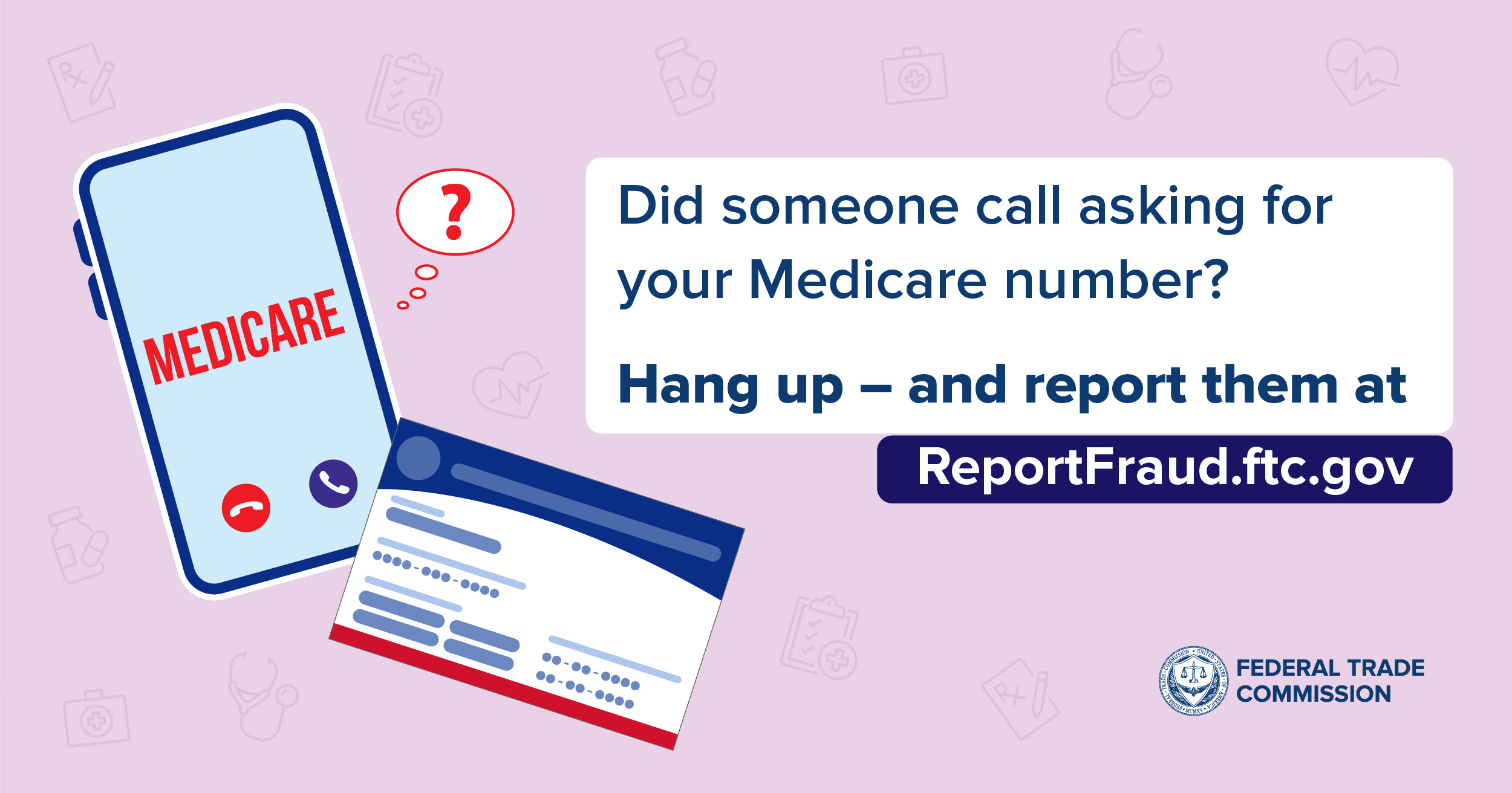
Most of the noise can be ignored. Medicare does not cold-call you to verify a number it already has. It does not text links that need an immediate response. It does not send someone to your door. The useful work happens on Medicare.gov, through 1-800-MEDICARE, or with the free local counselors at shiphelp.org. Those channels exist so the rest of the contact attempts can be treated as background.
Existing Coverage Does Not End on December 7
Medicare Open Enrollment is now. Plan changes close December 7, any changes take effect January 1, and current coverage continues unless you actively drop it without a replacement. Doing nothing is a valid choice if the current plan still meets your needs.
The Usual Scripts, Slightly Updated
The new-card story still circulates. Someone claims Medicare is replacing paper cards with plastic or chip versions and needs the current number to send the new one. The real process is the opposite. You request a replacement yourself through the official site or phone line, and it arrives by mail. No one from Medicare needs you to read the number out loud first.
Free equipment offers follow the same logic. A caller or ad promises braces, testing kits, or other items at no cost once the Medicare number is supplied. Medicare does not work that way. A doctor has to order medically necessary equipment. Unsolicited offers of free devices are usually an attempt to generate claims for items that never reach you or that you never needed.
Search results can be noisy too. Sponsored ads sometimes sit at the top and lead to pages that look official. The Federal Trade Commission has pointed this out. Typing Medicare.gov yourself avoids the problem. A site that arrived through an ad and asks for personal details early is not the government site.
Voice cloning and polished automated calls show up more often now. The message might claim a plan is ending or that coverage will stop unless you act the same day. Open enrollment ends December 7. Any earlier deadline is invented. Medicare does not threaten cancellation over the phone to collect a number. Ending the call and looking up the official number yourself removes the pressure.

What Actually Works for Most People
Treat the Medicare number like the other numbers that can move money. Share it when you start the conversation with a doctor’s office, a hospital, or a plan you contacted. Do not hand it to someone who called or messaged you first. That single habit stops a large share of the attempts.
Statements are worth a look. Medicare Summary Notices and Explanation of Benefits list services billed in your name. A charge that shows zero dollars owed to you can still be fraud if Medicare paid for something that never happened. Spotting those lines early makes them easier to correct.
The free counseling route is underused. State Health Insurance Assistance Programs (SHIP) explain options without selling anything. The locator is at shiphelp.org, or you can call 1-877-839-2675. Senior Medicare Patrol programs help with questions about possible fraud or odd billing. They are reachable through smpresource.org or 1-877-808-2468. Both exist for exactly this period.
If paperwork is already submitted through Medicare.gov, a plan site you reached yourself, or an agent you called, that is the ordinary process. Later calls claiming there is a problem with that paperwork can usually be ignored. The deadline is December 7. After that the volume drops until next year.
Reporting is straightforward when something looks off. Call 1-800-MEDICARE or the HHS Office of Inspector General hotline at 1-800-HHS-TIPS. Note the date and what was requested. Leave the actual Medicare number out of any online form. Patterns become visible when enough people report the same script.
Ordinary Account Hygiene That Covers Medicare and Everything Else
A password manager removes the need to invent and remember unique passwords for every site. Bitwarden, 1Password, or the managers already on Apple and Google devices generate long random ones, store them encrypted, and fill them in. The only password you keep in your head is the master one. That stops one leak from unlocking the rest of the accounts. Setting it up once for email, banking, and Medicare.gov covers the important ground.
MFA
Multi-factor authentication is the next layer. An authenticator app, a passkey, or a biometric is stronger than a text-message code. Turn it on first for the main email account, then for banking and government sites. Many services now support passkeys that are both harder to phish and simpler once they are configured. The point is that a stolen password alone is no longer enough.
Recovery EMail
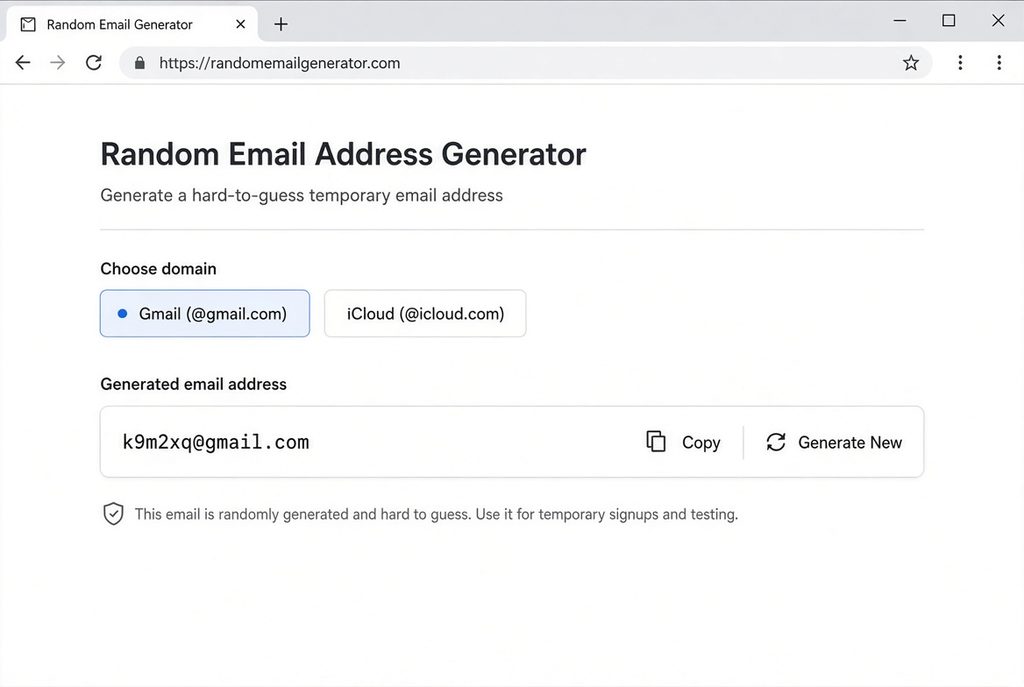
A separate recovery email helps when the everyday address is known. Create a free Gmail, Apple, or Microsoft account whose name is hard to guess. Use it only as the recovery or alternate address on the accounts that matter. Do not send mail from it. Do not sign up for anything else with it. Protect that account with its own strong password and multi-factor authentication. Attackers who know the regular email then have a harder time triggering resets.
Trusted Contact
A trusted contact is useful for the same reason other backups are useful. Banks and some other services let you name a person who can be told about unusual activity without gaining full control. Recovery contacts on phone or email accounts serve a similar role. Agree on a simple code word that only the household knows. Any urgent request for money or access that cannot supply the word gets ended. Call the person back on a number you already have.
Credit Freeze and Other Tips
Credit freezes at the three major bureaus block most new-account identity theft and cost nothing. Devices and apps should update automatically so known holes get closed. Links and attachments in unexpected messages are best left alone. Go to the real site by typing the address or by calling a number already saved. These steps do not require constant attention once they are in place.
A Second Person Makes the Usual Noise Less Effective
Open enrollment produces a predictable increase in contact attempts. Most of them can be ignored, but the volume itself creates decision fatigue. A designated person who already knows the official phone numbers and the household code word reduces the chance that an isolated conversation turns into a problem. The arrangement does not require sharing everyday passwords.
The code word works against voice-cloning calls that sound familiar at first. The request for money or account access is met with a request for the word. If it is not supplied, the call ends and the real person is dialed directly. That check is short and does not depend on detecting the technology.
Occasional check-ins keep the setup current. A short conversation can cover whether any odd calls arrived and whether statements look normal. Phone numbers and recovery addresses change. Updating the trusted contact list when they do keeps the backup functional. The goal is a clear path when something feels off, not constant monitoring.
Medicare beneficiaries see the same scripts every fall. The calls claim urgency that does not exist. The official channels do not. Using those channels for the actual enrollment decisions, and treating the rest as noise, is the practical distinction. A trusted contact simply makes that distinction easier to maintain when the phone is busy.
The enrollment window is still useful for reviewing coverage against current doctors, prescriptions, and costs. The tools for that review are on Medicare.gov and through the free local counselors. The surrounding attempts do not change the rules. Medicare already has the number, will not ask for it unsolicited, and will not demand same-day action or payment to keep coverage. Ordinary account hygiene plus one trusted person covers most of the remaining risk for the rest of the year as well.